
Menu
Same-Day Service Available!
Bathroom tile can look easy to maintain at first. The smooth surface wipes down quickly, water rinses away, and a weekly cleaning may seem like enough.
Grout usually tells a different story.
Over time, moisture, soap residue, body oils, hair products, minerals, dirt, and cleaning products can settle into grout lines. The tile may still look reasonably clean while the grout slowly becomes darker or uneven.
For many households, evaluating bathroom tile and grout for a deeper professional cleaning about every 6 to 12 months is a practical starting point. However, the right schedule depends on how often the bathroom is used, how well it dries, the condition of the grout, and how much buildup develops between routine cleanings.
A guest bathroom may stay fresh much longer.
A busy shower used by several family members every day may need deeper attention sooner.
Families in Clarksville, TN 37043 should focus less on a rigid calendar and more on what the bathroom surfaces are showing. Cloudy tile, dark grout, recurring soap scum, stubborn stains, and areas that still look dirty after normal cleaning can all signal that deeper tile and grout cleaning is due.
Professional cleaning does not replace weekly maintenance. Instead, it provides a deeper reset when regular wiping and scrubbing stop producing the clean, even appearance you want.
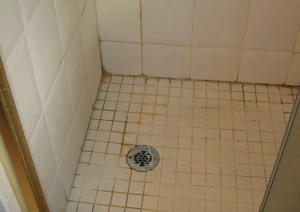
Tile and grout sit side by side, but the surfaces behave differently.
Many bathroom tiles are relatively smooth. Water and residue may remain on them, but regular wiping can remove much of the surface buildup.
Grout is usually more textured.
Small pores and rough areas can collect residue more easily. Water can carry soap, dirt, and body oils into those areas. As the moisture dries, some of the material stays behind.
The process repeats every time the bathroom is used.
At first, the difference may be hard to notice.
After several months, grout near the shower floor, tub, toilet, vanity, or bathroom entrance may appear darker than grout in less-used locations.
Homeowners sometimes assume the grout has permanently changed color.
In many cases, ordinary buildup is contributing to the darker appearance.
Professional tile and grout cleaning can help remove the material that routine cleaning leaves behind.
No single cleaning schedule works for every home.
Still, having a general range can help homeowners know when to start paying closer attention.
For many regularly used bathrooms, a professional deep cleaning every 6 to 12 months can be a reasonable guideline.
A lightly used guest bathroom may need professional attention less often.
A busy family bathroom may need it closer to every six months.
Bathrooms with poor ventilation, repeated soap scum, hard water residue, pets, or several daily showers can develop buildup faster.
Instead of automatically scheduling service because a certain number of months have passed, inspect the tile and grout.
If normal maintenance keeps everything bright and even, you may not need deeper cleaning yet.
If grout remains dark even after careful cleaning, professional service may help.
A bathroom used by several people experiences much more daily exposure.
Each shower adds water.
Each bath adds soap and body products.
Shampoo, conditioner, shaving products, and skin care products all contribute small amounts of residue.
Children may splash more water onto floors and walls.
Wet towels can remain on tile.
Bath mats may stay damp.
Several showers each morning can also leave little time for the room to dry completely.
All of these factors can shorten the amount of time between deep cleanings.
A family bathroom may benefit from a professional cleaning near the shorter end of the six-to-twelve-month range.
Routine maintenance between appointments remains important.
The more consistently you remove loose dirt, wipe water, and manage moisture, the easier the bathroom will be to maintain.
A guest bathroom used only occasionally is a different situation.
Tile receives less moisture.
There is less foot traffic.
Soap and body care products reach the surfaces less frequently.
Grout may remain relatively clean with routine dusting and occasional wiping.
Professional deep cleaning may be needed only when buildup becomes noticeable.
However, do not ignore a guest bathroom simply because it is rarely used.
Dust still settles.
Slow plumbing leaks can occur.
Toilets, sinks, and shower areas should still be inspected.
An unused bathroom can sometimes hide moisture issues because nobody spends enough time there to notice them immediately.
The shower is usually the hardest-working tiled area in the bathroom.
Water repeatedly moves across the walls and floor.
Soap, shampoo, conditioner, body oils, and minerals travel with it.
Corners and lower wall sections often stay wet the longest.
Grout on the shower floor may receive repeated exposure several times each day.
This is why shower grout often becomes noticeably darker before tile on the rest of the bathroom floor.
A regular rinse and quick drying routine can slow the process.
However, once buildup becomes embedded in the grout, deeper tile and grout cleaning may be needed.
Professional cleaning can be especially useful when homeowners find themselves scrubbing the same shower lines every week without getting a consistent result.
Bathrooms are naturally humid spaces.
A hot shower can fill the room with moisture very quickly.
If the room has weak ventilation, that moisture may remain on walls, grout, mirrors, and other surfaces long after the shower ends.
Moisture does not automatically mean the bathroom is dirty, but persistent dampness can make maintenance harder.
The U.S. Environmental Protection Agency explains that controlling moisture is an important part of limiting mold growth. Its guidance recommends improving ventilation in bathrooms and drying damp areas promptly. Homeowners can review the EPA's information through its guide to mold and moisture in the home. (US EPA)
Running an exhaust fan during showers can help.
Leaving it on for a short period afterward can support drying.
Opening the bathroom door when appropriate may also improve airflow.
Better drying does not replace cleaning, but it can slow the buildup that makes deep cleaning necessary.
Water itself can leave visible residue.
As droplets evaporate, minerals may remain behind.
These deposits can create cloudy patches or white marks on tile, fixtures, and shower doors.
When mineral deposits mix with soap residue, the result can become more difficult to remove.
Grout may also collect some of this buildup.
Homes with noticeable mineral deposits may require more frequent maintenance than homes where water leaves very little visible residue.
A squeegee can be helpful on smooth shower tile.
Removing water before it dries reduces the amount left behind.
Regular drying is one of the simplest ways to keep bathroom surfaces looking cleaner between deeper cleanings.
Soap scum develops gradually.
A bathroom may look perfectly fine for weeks before the surfaces begin to lose their clean shine.
Soap, body oils, minerals, and product residue can combine into a film.
On dark tile, the buildup may appear whitish.
On lighter tile, it may create a gray or cloudy appearance.
Grout often traps the same residue more easily.
Routine cleaning helps control light buildup.
However, once several layers accumulate, ordinary wiping may no longer be enough.
Adding more cleaning product is not always the answer.
Too much product can leave its own residue behind.
A professional deep clean can help remove accumulated buildup and provide a cleaner starting point for regular maintenance.
Mopping is helpful for bathroom floors.
It removes loose dirt and surface residue.
However, a mop moves across the top of the flooring.
Grout lines are slightly lower and more textured.
Dirty water can settle into them while the tile surface looks clean.
If the mop water becomes heavily soiled, the problem becomes worse.
Instead of removing all the grime, the mop can spread it across the floor.
Change water when it becomes dirty.
Use the correct amount of cleaning solution.
Avoid flooding the floor.
These habits improve routine maintenance.
Still, older grout buildup may require professional tile and grout cleaning because standard mopping cannot reach everything trapped in the surface.
Your bathroom does not need to reach the point of looking severely dirty before professional cleaning becomes useful.
One of the easiest signs is uneven grout color.
Compare grout near the center of the bathroom with grout near a wall or underneath a cabinet edge.
If the high-traffic lines look much darker, buildup may be responsible.
Persistent haze on tile is another sign.
If the surface still looks cloudy after appropriate cleaning, residue may have accumulated.
Sticky areas deserve attention too.
Cleaning products, body care products, or spills may be leaving a film.
Recurring stains can also signal that routine cleaning has reached its limit.
If you repeatedly scrub the same sections without noticeable improvement, deeper cleaning may save you time and effort.
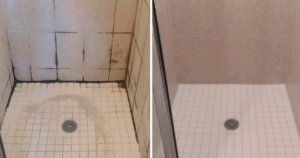
Professional cleaning works best when routine maintenance supports it.
A simple weekly routine can slow buildup without turning bathroom cleaning into a major project.
Consistency matters much more than aggressive scrubbing.
Begin with dry debris.
Hair tends to collect in corners and around baseboards.
Dust settles behind toilets and near vanities.
Remove this material before introducing water.
A vacuum suitable for hard floors or a dry cleaning tool can make the process easier.
Starting dry prevents loose debris from turning into muddy residue during mopping.
Move shampoo bottles, soaps, razors, and other items.
Water can remain underneath them.
Product residue may also collect around their bases.
Wipe the surfaces and allow them to dry.
Keeping shower items organized makes routine cleaning much easier.
Use a cleaner suited to your tile material.
Ceramic, porcelain, and natural stone may have different care requirements.
Avoid assuming that one cleaner works on every bathroom surface.
Follow product directions.
More cleaner does not necessarily produce a better result.
Using too much can leave streaks or residue.
Look closely at the grout lines.
Use a brush appropriate for the material when needed.
Avoid aggressive metal brushes.
Hard scrubbing can damage grout surfaces.
Focus on areas with visible residue rather than scrubbing every line with excessive force.
Follow the cleaner instructions.
Leaving product behind can create another layer of buildup.
Use clean water when rinsing is appropriate.
Change dirty water rather than continuing to spread it across the floor.
Remove obvious standing water.
A microfiber cloth or squeegee can help on suitable surfaces.
Good airflow supports faster drying.
The drier the bathroom becomes between uses, the easier it usually is to maintain.
Deep cleaning needs are influenced by what happens every day.
A two-minute routine after showering can be surprisingly useful.
Use a squeegee on smooth shower walls.
Wipe water from shelves.
Run the exhaust fan.
Hang wet towels instead of leaving them on tile.
Leave the shower area open enough for air to circulate when appropriate.
These habits reduce the amount of water left to evaporate on the surface.
Less standing moisture means less opportunity for mineral and soap residue to dry onto tile and grout.
When grout looks dirty, it is tempting to scrub as hard as possible.
Harder is not always better.
Very stiff brushes and abrasive tools can wear down grout.
A damaged surface can become rougher and more difficult to maintain.
Scrubbing also cannot solve every type of discoloration.
Some grout may be permanently stained.
Other grout may have changed color because of age or wear.
Professional cleaning can help determine how much of the discoloration comes from removable soil.
If grout is cracked, missing, or crumbling, cleaning alone will not fix the problem.
Repair may be needed.
Bathroom cleaning advice online often recommends ingredients such as vinegar, baking soda, bleach, peroxide, and dish soap.
Some may be appropriate for certain surfaces.
Others may damage specific tile materials or grout.
Natural stone can be particularly sensitive to acidic products.
Mixing chemicals can also be dangerous.
Never combine household cleaners unless the manufacturer specifically instructs you to do so.
A product that cleans the tile may also affect nearby fixtures, sealants, stone, or caulk.
When you are unsure about the flooring material, a gentle product designed for the surface is a safer starting point.
A frustrating problem occurs when grout looks clean while wet but becomes dark again after drying.
Several things can cause this.
Residue may remain deeper in the grout.
Dirty cleaning water may have settled into the lines.
The grout may also contain permanent discoloration.
Another possibility is that too much cleaning product was used.
Soap or detergent residue can attract new soil.
The bathroom then begins looking dirty again sooner.
A deeper professional cleaning can help remove buildup that repeated surface treatments have not addressed.
Professional cleaning becomes useful when regular maintenance stops delivering a clear improvement.
Safe-Dry Carpet Cleaning of Clarksville provides professional tile and grout cleaning for bathrooms and other tiled areas. Its local service page explains that the process is designed to remove grime, stains, and discoloration from tile and grout while helping restore a brighter appearance. Explore Safe-Dry of Clarksville tile and grout cleaning. (Safe-Dry Carpet Cleaning of Clarksville)
Professional cleaning gives trained technicians an opportunity to evaluate the condition of the surface.
They can identify heavily used areas.
They can focus on grout lines that routine mopping has not fully cleaned.
They can also recognize areas where cleaning has limits.
The objective is to remove buildup without pretending every permanent mark or damaged section can disappear.
Dirty grout and damaged grout are not the same problem.
Cleaning can remove buildup.
It cannot replace missing material.
Cracked grout may need repair.
Loose tile may require professional flooring attention.
Deep discoloration may sometimes remain even after cleaning.
Understanding this difference helps homeowners set realistic expectations.
Professional tile and grout cleaning is most useful when the main problem is dirt, soap residue, grime, or staining sitting on or within the surface.
Showers typically need attention sooner than low-moisture tiled areas.
For many active households, inspecting the shower every six months is reasonable.
A professional cleaning may be useful around that time if grout has become dark or soap buildup is difficult to remove.
Bathrooms used less often may go longer.
Daily drying habits can also extend the interval.
Watch the lower walls, floor, corners, and areas around fixtures.
These sections often show buildup first.
Bathroom floor tile usually receives less soap exposure than shower walls, but it receives more foot traffic.
Dust, hair, body care products, and moisture settle there.
A deep cleaning every 6 to 12 months may work for many households.
Busy bathrooms may need it sooner.
Guest bathrooms may need it less often.
Again, the floor condition should guide the schedule.
If routine mopping keeps the grout looking even, professional service can wait.
Children bring extra activity into bathrooms.
Water gets splashed.
Toothpaste ends up in unexpected places.
Bath products spill.
Wet towels reach the floor.
The bathroom may be used many times throughout the day.
This does not mean parents need to deep clean constantly.
It does mean routine cleanup becomes more valuable.
Removing water and spills quickly can prevent residue from drying into grout.
A professional cleaning every six months may be helpful in a heavily used family bathroom if buildup develops quickly.
Pets sometimes spend more time in bathrooms than homeowners expect.
Water bowls may be kept there.
Dogs may be bathed in the tub or shower.
Cat litter boxes are often placed on tile because the surface is easier to clean than carpet.
Each situation introduces different debris.
Dog baths can leave hair, soil, and water behind.
Litter can travel across tile and settle into grout.
Pet food and water can create sticky spots.
Sweep or vacuum pet debris before damp cleaning.
Clean pet accidents quickly.
Avoid allowing pet-related residue to remain in grout lines.

Some homeowners prefer scheduling tile and grout cleaning before holidays, guests, parties, or major family events.
This can make sense when the bathroom is already showing buildup.
A professional deep clean can help create a fresher starting point.
After the event, return to regular maintenance rather than assuming another professional cleaning is immediately required.
Cleaning schedules should respond to actual condition.
Bathrooms receive close attention during moves.
Empty rooms make tile and grout easier to see.
A deep clean can be helpful before listing a home, moving out, or preparing a property for new occupants.
Removing buildup can make tile look brighter and more consistent.
Homeowners may also discover whether dark areas were caused by dirt or permanent staining.
If the home includes carpet, rugs, or upholstery, coordinating several professional services may help simplify the move.
Homes often contain several different flooring materials.
Bathroom tile needs hard-surface cleaning.
Bedrooms may need carpet cleaning.
Hallways may include hardwood.
Area rugs may sit in living rooms.
Each material holds soil differently.
Safe-Dry of Clarksville offers tile and grout cleaning along with carpet cleaning, area rug cleaning, upholstery cleaning, hardwood floor cleaning, and pet-related services. See Safe-Dry of Clarksville cleaning services.
Using the correct method for each surface is more effective than treating the entire home with one type of cleaner.
Bathroom cleaning sometimes happens as part of a larger home cleaning project.
Homeowners may notice dirty tile while also dealing with dull carpet in nearby bedrooms or hallways.
Professional carpet cleaning addresses soil trapped in fibers.
Tile and grout cleaning focuses on hard flooring and grout lines.
Pet urine removal, carpet stain removal, carpet odor removal, and similar treatments may also be needed when specific problems are present.
Combining services can make sense before moving, hosting family, or completing a seasonal cleaning.
The key is choosing services based on what each area actually needs.
Grout around toilets can be difficult to reach with a standard mop.
Dust collects near the base.
Hair gathers around edges.
Small splashes and cleaning residue can settle into the grout.
Use a smaller cleaning tool for these areas during routine maintenance.
Move carefully around sealant and fixtures.
If grout remains dark despite regular care, deeper cleaning may be useful.
Vanity areas handle toothpaste, makeup, shaving products, hand soap, water, and frequent foot traffic.
Tiny spills often go unnoticed.
Over time, residue can collect in the grout nearby.
Wipe spills when they happen.
Clean floor edges.
Do not forget areas beneath cabinet overhangs.
These small zones can create visible dark lines when the rest of the floor is cleaner.
Grout creates a pattern across the entire floor or wall.
Even though the grout lines are narrow, they are visually repeated hundreds of times.
Dark lines can therefore make a large area feel less clean.
Once the grout becomes more even, the tile often looks brighter too.
This visual improvement is one reason homeowners notice such a difference after professional tile and grout cleaning.
The tile itself may not have changed dramatically.
Cleaner grout simply allows the entire surface to look more consistent.
A professional deep cleaning gives you a cleaner starting point.
Maintenance determines how long that result lasts.
Remove loose dirt regularly.
Use appropriate bathroom cleaners.
Avoid leaving excess product behind.
Dry shower surfaces when practical.
Run ventilation.
Address spills quickly.
Wash bath mats.
Keep grout from staying wet for unnecessary periods.
These habits do not require much time individually.
Combined, they can slow the return of heavy buildup.
More cleaning is not always better.
A lightly used bathroom with clean grout does not need professional deep cleaning simply because six months have passed.
Unnecessary aggressive cleaning can also wear surfaces over time.
Evaluate the actual condition first.
If grout remains clean, tile is free of buildup, and routine maintenance is working, continue your normal schedule.
Professional service should solve a real problem.
Many households can start by evaluating their tile and grout every 6 to 12 months.
Busy family bathrooms may need deeper cleaning sooner.
Lightly used bathrooms may go longer.
The amount of buildup is more important than the date on the calendar.
Light routine cleaning can be done weekly or as needed.
Bathrooms with frequent use may require quick wipe-downs more often.
Spills and standing water should be addressed promptly.
Grout is usually more textured than tile.
It can trap dirt, soap, moisture, body oils, and cleaning residue more easily.
Smooth tile is generally easier to wipe clean.
Dirt may be sitting deeper in the grout.
Cleaning residue can also remain.
In some cases, discoloration may be permanent.
Professional cleaning can help determine how much of the dark appearance comes from removable buildup.
Homeowners can handle routine grout maintenance.
Use products appropriate for the surface and avoid overly aggressive tools.
Professional cleaning becomes useful when regular methods stop producing improvement.
Bleach is not appropriate for every surface or situation.
Follow manufacturer guidance for your tile and grout.
Never mix bleach with other household cleaners.
If you are unsure, choose a product specifically designed for the material or ask a professional.
Vinegar is acidic and may damage certain surfaces, especially natural stone.
Check the care instructions for your tile before using acidic products.
Reduce standing water.
Use a squeegee when appropriate.
Improve ventilation.
Clean soap residue regularly.
Move bottles and shower products so water does not stay trapped underneath them.
Soap scum, mineral deposits, body products, and cleaning residue can all create haze.
Routine cleaning may remove light buildup.
Heavier residue may require deeper cleaning.
No.
Permanent discoloration, damaged grout, or changes in the material may remain.
Professional cleaning focuses on removing soil and buildup as safely and effectively as possible.
Cleaning can help when odor is connected to surface buildup.
Persistent odors may have another source, such as plumbing, hidden moisture, damaged materials, or pet accidents.
Finding the source is more useful than simply adding fragrance.
Yes. Safe-Dry of Clarksville offers several services, including carpet cleaning, rug cleaning, upholstery cleaning, hardwood floor cleaning, tile and grout cleaning, and pet odor services. (Safe-Dry Carpet Cleaning of Clarksville)
Bathroom tile and grout do not need professional deep cleaning every few weeks.
For many homes, checking the condition every 6 to 12 months provides a useful starting point.
Busy bathrooms may need attention sooner.
Guest bathrooms may need it much later.
Daily habits make the biggest difference between deeper cleanings.
Remove standing water.
Use good ventilation.
Clean spills promptly.
Avoid excessive cleaning product.
Keep grout from collecting months of residue before giving it attention.
When normal maintenance stops working, professional tile and grout cleaning can provide the deeper reset the bathroom needs.
Safe-Dry Carpet Cleaning of Clarksville serves families in Clarksville, TN 37043 with professional tile and grout cleaning designed to address grime, stains, and buildup in bathrooms and other tiled spaces.
If your grout stays dark after scrubbing or your bathroom tile has lost its cleaner, brighter appearance, consider scheduling professional service rather than spending another weekend repeating the same cleaning routine.
You can schedule with Safe-Dry of Clarksville when your bathroom is ready for a deeper refresh.
A practical cleaning schedule should make your bathroom easier to maintain, not harder. With regular care and professional help when buildup becomes stubborn, tile and grout can stay fresher, brighter, and more comfortable for everyday family life.


