
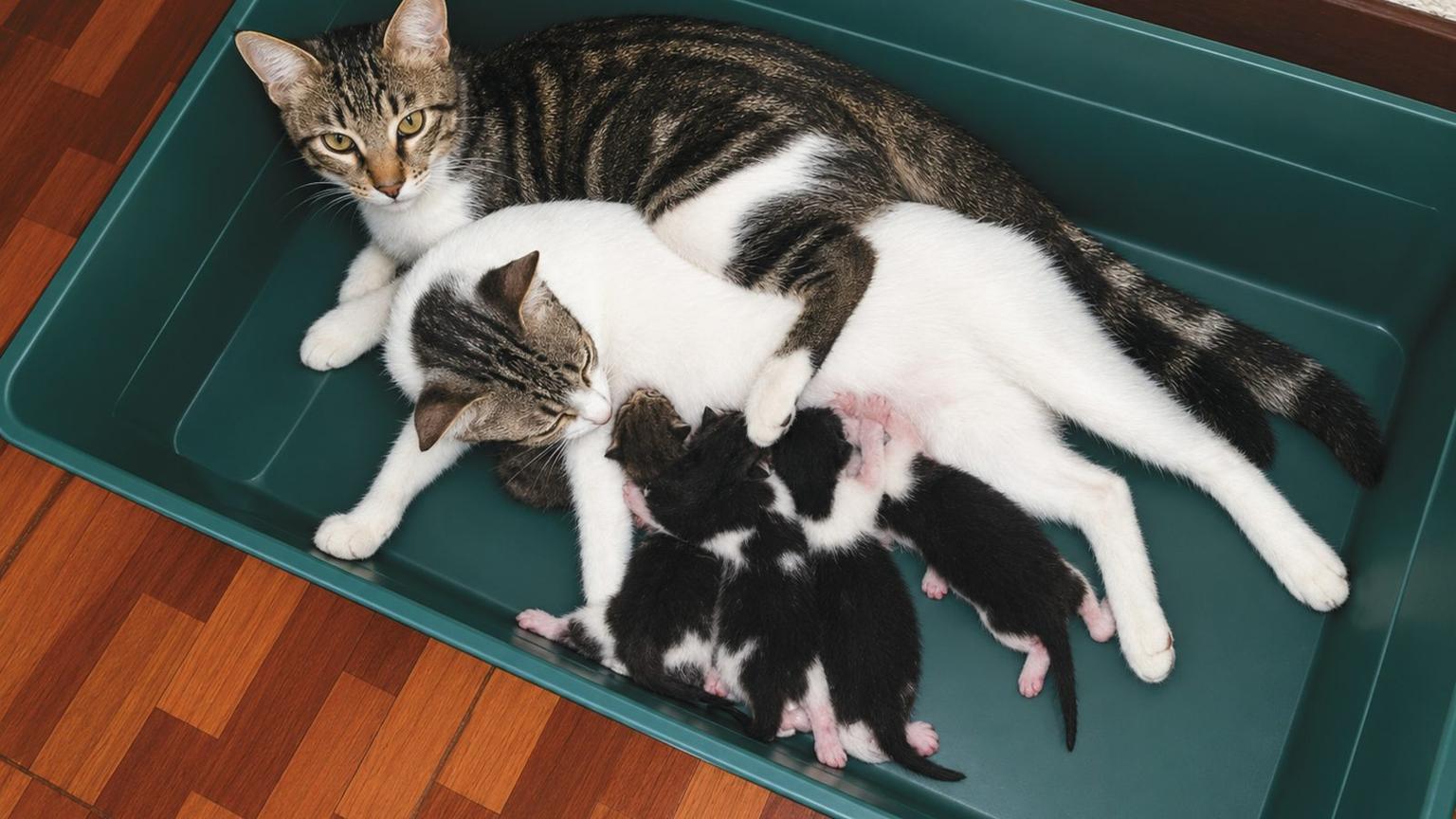
We get some version of this call a lot. The cat has used the box for years without a problem, and now she's going on the bedroom carpet next to the closet, a couple of times a week. By the time anyone phones us, the spot has usually been cleaned several different ways and there's a new bag of litter in the laundry room.
We can get the smell out of the carpet. What we can't do is make the cat stop, and if the reason she started is still there, she'll be back on that spot a week after we leave. So start with the cat.
Rule out a medical problem first
Cats don't skip the box for no reason, and the first reason to check is pain. Urinary tract infections, bladder stones, kidney disease, and diabetes can all make peeing urgent or uncomfortable. A cat who hurts while using the box can start to blame the box, and the soft carpet becomes the new spot.
Call the vet if you see any of these:
- straining or crying while peeing
- blood in the urine
- lots of trips with very little coming out
- vomiting, hiding, or lethargy along with the accidents
A cat that strains and produces nothing, especially a male, needs to be seen that day. That one can turn serious fast.
Look at the box the way your cat does
If the vet gives a clean bill of health, the litter box setup is the next suspect. Small things put cats off.
The box should be about one and a half times the length of the cat, nose to base of the tail. Most of the boxes sold at the store are smaller than that for an adult cat. Most cats also prefer an open box to a covered one, since a hood holds the smell in.
Litter makes more difference than people expect. Unscented, soft, clumping litter suits most cats. Once you find one she uses, stop switching brands.
Then count your boxes. The usual rule is one per cat plus one extra, spread around the house, so a two-cat home has three. Put them somewhere quiet. Next to the washing machine or under an HVAC vent that kicks on with a blast of air is a bad spot.
Scoop every day and wash the box out fully once a week. A box you'd call "fine" can already be too dirty for her.
Stress and marking
Cats are territorial and they don't like change. A new pet, a new baby, houseguests, construction next door, or a shift in your work hours can all set it off. Unneutered males mark on purpose. So do some neutered cats when a strange cat starts showing up at the window.
Moves are a big one here. Plenty of Clarksville families are military, and a PCS move means boxes, new rooms, new smells, and often a few weeks of chaos on both ends. Expect a cat to wobble during that stretch.
What helps:
- a pheromone diffuser such as Feliway in the room where she's been going
- places to hide and climb, like a cat tree or a shelf she can reach
- feeding on a set schedule, which tends to regulate bathroom timing too
- a treat or some attention when she uses the box
If accidents keep happening, try re-training. Set her up in one small room with a clean box, food, water, and a bed. Once she's using the box every time for a week or so, open up one more room, then another. A feline behaviorist is worth calling if you've been at it for a couple of months with no progress.
What not to do
Don't punish her. Yelling or rubbing her nose in it adds stress, and stress is often what started this.
Don't clean the spot with anything containing ammonia. Urine breaks down into ammonia, so an ammonia cleaner smells like a bathroom to a cat.
Don't move the box somewhere she likes less to "teach" her. And skip the lavender or eucalyptus oil sprays sold as deterrents. Plenty of advice online recommends them, but several of those oils are hard on cats, and a strong scent on the carpet doesn't fix the reason she's going there. Citrus peels set near the spot or a sheet of aluminum foil laid over it are safer ways to block access while you work on the cause.
Clean the spot so it stops calling her back
A cat's nose is far better than yours. If you can't smell the spot anymore, she probably still can, and to her it reads as "this is where we go."
For a fresh accident, blot up all you can with paper towels, then apply an enzyme cleaner and let it sit for 10 to 15 minutes before blotting again. Let the area air dry completely and keep her off it until it does. A UV flashlight in a dark room will show you other spots you didn't know about, and with cats there usually are some.
Older spots are a different job, because cat urine gets down into the pad and dries into crystals that a spray can't reach. There's a longer explanation of what urine does once it soaks below the surface. On those spots, our enzyme odor treatment uses an enzyme product that reaches the pad, and the carpet is dry quickly afterward, so there isn't a damp patch sitting around for her to sniff out and re-mark.
If you've fixed the box, calmed the house, cleaned every spot, and she still goes on the carpet, take her back to the vet. Cats are very good at hiding pain, and a clean exam in the spring doesn't rule out a problem by fall.