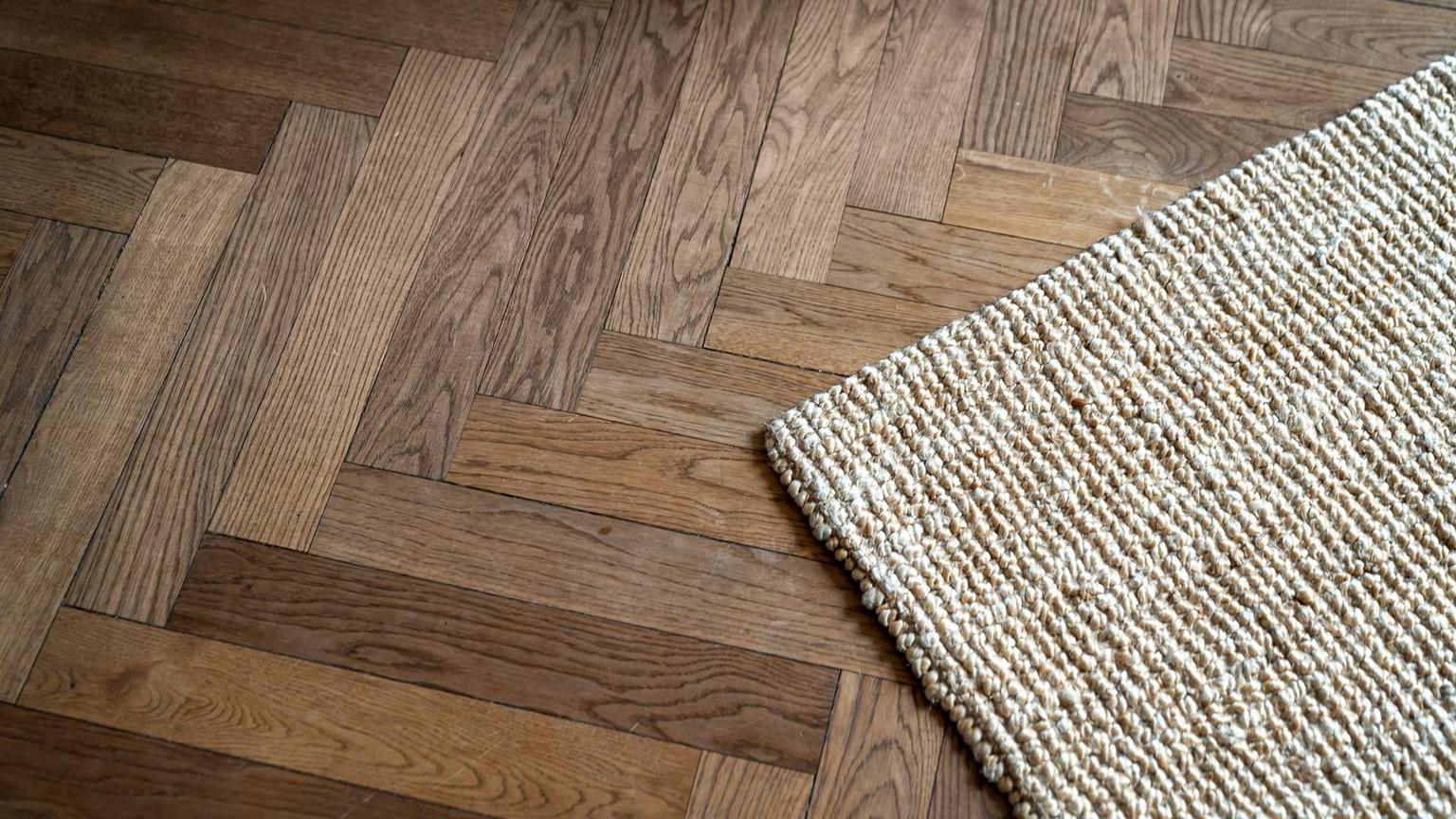
You sweep the hardwood, run the mop, sit down with a glass of tea, and the late afternoon sun comes through the window and lights up a floating cloud of dust. The floor looks clean. The air doesn't.
Anyone who has lived with wood floors has seen that. It's also the best short answer to the question in the title, because it shows what each floor actually does with dust. Carpet holds it. Hard floors let it move.
Neither of those is automatically better. It depends on what happens next.
What carpet gets right
Carpet catches dust and dander and keeps them down in the fibers until a vacuum pulls them out. As long as somebody vacuums on a regular rhythm, that's a decent arrangement. The trouble starts when the vacuum is weak or the rhythm slips, because then the carpet is a reservoir that keeps filling.
It also has plain everyday advantages. It's softer to sit on, it's warmer on a January morning, and it soaks up noise, which counts for a lot in a two-story house with kids or a big dog upstairs. Furniture doesn't slide around on it. And per square foot it usually costs less than real wood or stone.
Where carpet causes problems
Liquids. Carpet fibers pull spills down and the pad holds them, and later the fibers wick that residue back up as it dries. Juice, pet accidents, and tracked-in mud from a red clay yard all behave this way. Too much water does the most damage. A leaking dishwasher will do it, and so will an overenthusiastic Saturday with a rental machine. Give a soggy pad a couple of days and you'll smell it, and mildew isn't far behind.
Stains on carpet also take some know-how. The wrong product on the wrong fiber can set a stain for good, or void a carpet warranty.
Hard floors, both sides
Wood, tile, and luxury vinyl are easy to wipe. You see a spill the second it happens. Homes with hardwood often sell well around here, and good hardwood lasts for generations with care.
The downsides are real, though. Dust doesn't stick to a hard floor, so every footstep and every HVAC cycle kicks it back into the room until someone catches it with a damp mop. Tile is hard on knees and brutal on a dropped glass. Hard floors are loud. Wood scratches and dents, and moisture can cup or warp it. Wet tile is slick, and that's a real concern with toddlers or older parents in the house.
What the research says
Less than either flooring industry would like. Some studies over the years have found carpet associated with fewer dust-related complaints, on the theory that it keeps particles out of the breathing zone. Other reviews have tied carpet to more allergens and some respiratory symptoms. The honest read is that the evidence points both ways, and a lot of it depends on how well the floor is kept. A neglected carpet and a dusty hardwood floor are both bad news. A well-kept version of either is fine for most families.
So if anyone tells you one floor is the "healthy" choice, ask who's selling it.
How I'd decide
Here's my opinion, for what it's worth from someone who cleans both. Carpet belongs in bedrooms and in the family room where people sit on the floor. Hard floors belong in kitchens, bathrooms, entries, and any basement that has ever been damp. Most houses end up with exactly that split, and it's a good one.
If someone in the house deals with dust allergies, the habits count for more than the floor. A vacuum with a HEPA filter, used weekly, plus a damp mop on the hard floors so the dust actually leaves the house, will do more than ripping out carpet. Our post on how often carpets should be cleaned covers the cleaning rhythm in more detail.
One more thing. Spring pollen in Middle Tennessee coats everything for a few weeks, and it lands on both kinds of floor. A shoes-off house tracks in a lot less of it.
We clean carpet, hardwood, and tile, so we don't have a horse in this race. Whatever's under your feet, it does better with a deep clean that leaves nothing sticky behind, and for carpet that means a soap-free method that dries fast. If you're keeping the carpet, the carpet cleaning page explains how ours works.